TL;DR
DECA Automotive Services Marketing (ASM) is a competitive event for high school students that combines a 100-question written exam with an individual role-play presentation. Participants demonstrate marketing and management skills applied to dealerships, service centers, tire shops, and auto parts retailers. Success requires mastering core marketing concepts—promotion, pricing, selling, and customer relations—and applying them to realistic automotive scenarios under timed conditions.
Introduction
This guide provides an overview of the DECA Automotive Services Marketing (ASM) event, designed for high school students interested in marketing careers within the automotive industry. It explains what the event covers, who should participate, and why mastering automotive services marketing is valuable for future business leaders.
Key Takeaways
- DECA Automotive Services Marketing (ASM) is a competitive event for high school students combining a 100-question exam with individual role-play presentations
- The event covers marketing for dealerships, service centers, repair shops, and auto parts retailers—not just vehicle sales
- Competitors apply core marketing concepts to realistic automotive scenarios under timed conditions
- Official DECA resources including sample exams and role-plays are essential preparation materials for the 2025–2026 season
- First-year members can succeed with structured practice and familiarity with performance indicators

Overview of DECA Automotive Services Marketing
The DECA Automotive Services Marketing Series is a competitive event where participants perform marketing and management functions related to auto dealers and service stations.
The DECA Automotive Services Marketing Series challenges high school competitors to demonstrate marketing and management skills within the automotive sector. This event spans dealerships, service stations, tire centers, and parts retailers, requiring students to solve real business problems like launching maintenance packages or improving customer loyalty programs. Effective marketing strategies for automotive services focus on building trust, establishing local visibility, leveraging digital tools, and creating targeted promotional plans for specific markets or demographics.
ASM combines a written exam covering promotion, pricing, and selling concepts with a role-play where participants present solutions to a judge acting as an industry professional. The Automotive Services Marketing Series includes a role-play component where participants must create a promotional plan for a new service. A key focus in DECA role-play events is creating marketing techniques to sell declined repairs, which is an essential skill for automotive service marketers. The role of a service center manager also includes determining strategies to enhance customer relations.
Students should access official resources on deca.org for current guidelines, sample exams, and role-play scenarios specific to the 2026 competitive cycle. With structured preparation and practice using automotive services scenarios, even first-year competitors can perform confidently at district, state, and ICDC levels.
Key marketing principles applied in ASM:
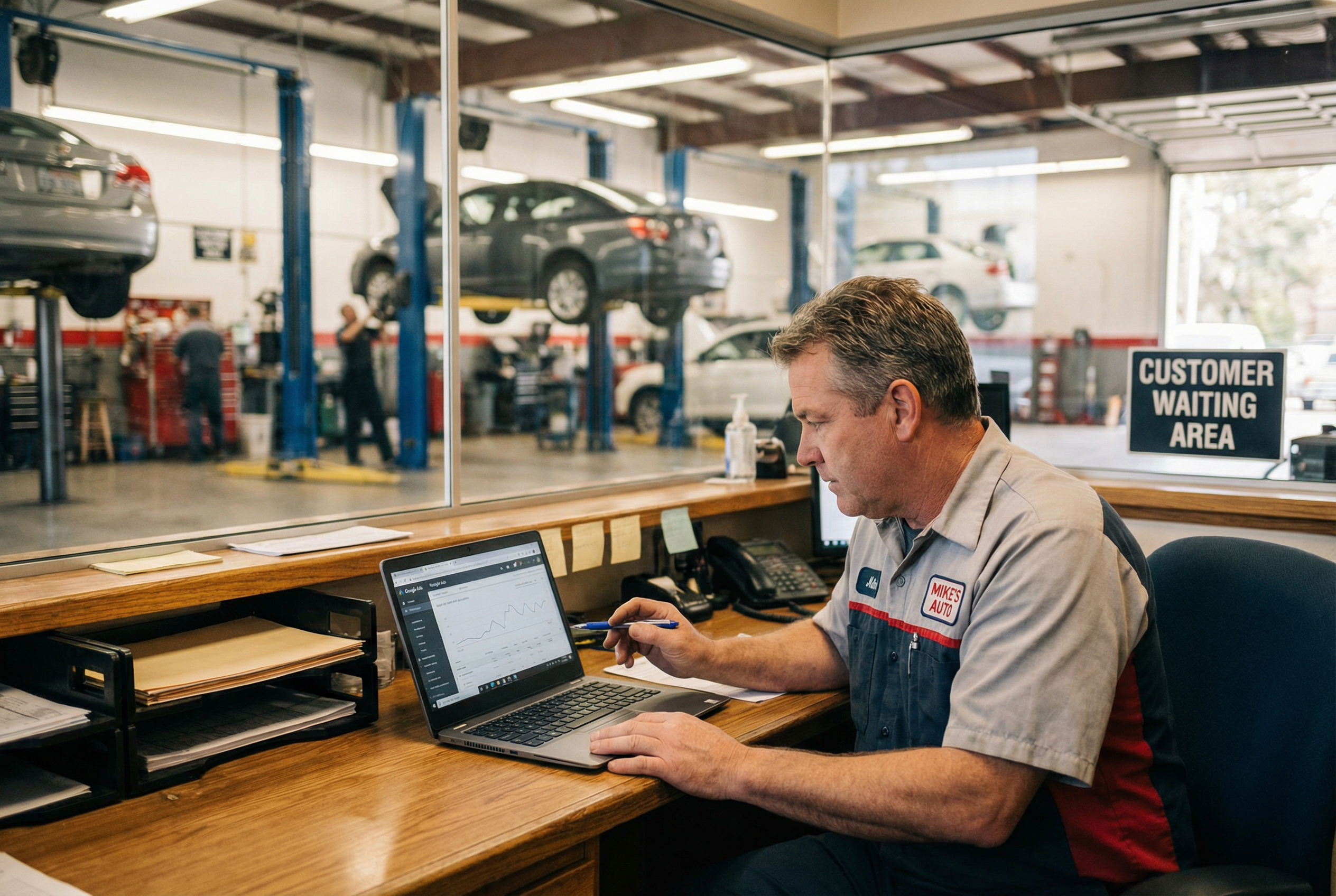
- Maximizing local SEO and Google Business Profile optimization are key strategies for increasing local visibility and driving "near me" searches
- Ensuring consistent information across online directories aids in improving local search rankings
- A mobile-friendly booking system enhances customer experience by making scheduling easier
- Utilizing social media to showcase services and engage with customers is fundamental in modern automotive marketing
- Google Local Service Ads enable automotive businesses to generate direct phone calls and bookings
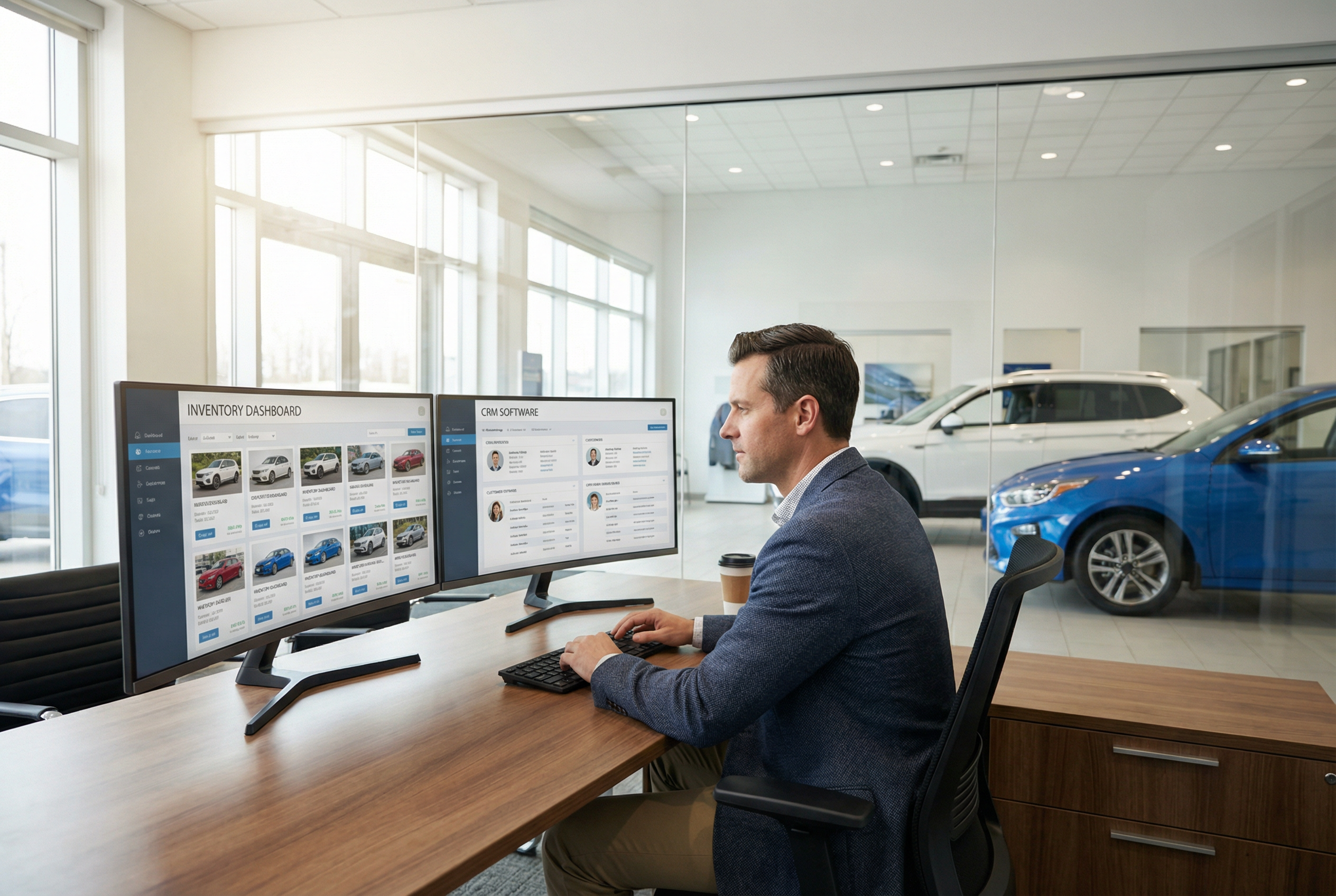
- CRM software can be used to send routine maintenance reminders, increasing customer retention
- Value-based offers are more sustainable than heavy discounts for attracting automotive customers
Marketing Resources and Tools
Educational Resources
Success in automotive services marketing relies not only on understanding core concepts but also on making the most of available marketing resources and tools. For DECA competitors, a wide range of resources can help build expertise in services marketing and the automotive industry.
Online courses, webinars, and workshops are excellent starting points for deepening your knowledge of automotive services marketing. These educational resources cover essential topics such as customer relationship management, digital marketing strategies, and the latest trends in automotive services. By participating in these learning opportunities, students can gain practical insights and stay ahead in a rapidly evolving industry.
Marketing Tools
In addition to educational resources, leveraging marketing tools is crucial for developing effective strategies. Social media platforms allow participants to practice creating engaging content and building brand awareness for automotive services. Email marketing software and content management systems can be used to design campaigns that attract and retain customers—skills that are directly applicable to the DECA automotive services marketing event.
Staying Informed
Staying informed about the industry is equally important. Accessing market research reports and monitoring automotive services marketing trends helps participants understand the competitive landscape and identify new opportunities for growth. These resources provide valuable data and analysis that can inform your approach to both the exam and role-play scenarios.
Official DECA Resources
The official DECA website is a central hub for automotive services marketing resources. Here, competitors can find detailed guidelines, performance indicators, and exam blueprints tailored to the automotive services marketing series. Sample exams, practice events, and instructional materials are also available to help students prepare thoroughly for every stage of the competition.
By actively using these marketing resources and tools, participants can develop a comprehensive understanding of automotive services marketing. This preparation not only boosts confidence but also equips students with the skills needed to create successful marketing campaigns and achieve their goals in the DECA automotive services marketing series.
Measuring Marketing Success
Measuring the effectiveness of your automotive services marketing strategies is a critical skill for anyone participating in DECA events. In the competitive world of automotive services, understanding what works—and what doesn't—can make all the difference in achieving your marketing goals.
Key performance indicators (KPIs) are essential tools in services marketing for evaluating the success of your campaigns. In the automotive sector, important KPIs include customer satisfaction scores, retention rates, and the number of repeat service visits. Tracking these metrics helps you determine whether your marketing efforts are building strong customer relationships and driving business growth.
DECA provides valuable resources to help participants measure and analyze their marketing performance. Official templates and tracking tools are available to guide you in collecting data, monitoring progress, and identifying areas for improvement in your automotive services marketing campaigns. By using these resources, you can gain a clearer picture of how your strategies are performing and make data-driven decisions to enhance your results.
Understanding how to measure marketing success not only strengthens your services marketing skills but also gives you a competitive edge in automotive services marketing events. By applying these principles and leveraging available resources, you can develop more effective marketing strategies tailored to the automotive industry and achieve greater success in DECA competitions.
Real-World Application: From DECA to Auto Shop Marketing
The skills developed through DECA Automotive Services Marketing translate directly into real-world automotive business growth. Whether you're a student preparing for competition or a shop owner looking to sharpen your marketing approach, the frameworks are the same.
Core areas of overlap between DECA ASM and real shop marketing:
| DECA Skill | Real-World Application |
|---|---|
| Promotional planning | Creating seasonal service campaigns |
| Customer relations strategy | Building review generation systems |
| Pricing and value communication | Presenting service estimates effectively |
| Local visibility tactics | Google Business Profile optimization |
| Declined repair techniques | Service advisor upsell training |
For auto shop owners looking to implement these strategies professionally, Auto Shop Digital [blocked] offers managed local SEO services [blocked], Google Business Profile management [blocked], Managed Google Ads [blocked], and automotive website design [blocked] — all built on the same marketing principles taught in DECA programs. You may also find our guides on automotive content marketing [blocked] and automotive advertising agencies [blocked] valuable as you develop your marketing strategy.
Frequently Asked Questions
What is DECA Automotive Services Marketing?
DECA Automotive Services Marketing (ASM) is a competitive event for high school students that combines a 100-question written exam with an individual role-play presentation. Participants demonstrate marketing and management skills applied to automotive dealerships, service centers, tire shops, and auto parts retailers.
Who should participate in the DECA ASM event?
Students interested in marketing, business management, or careers in the automotive industry are ideal candidates. No prior automotive experience is required—the event focuses on applying core marketing principles to automotive scenarios.
What topics are covered on the DECA ASM written exam?
The exam covers promotion, pricing, selling, product/service management, market planning, and customer relations as they apply to automotive service businesses. Review the official DECA performance indicators for the current season's exam blueprint.
How should I prepare for the DECA ASM role-play?
Practice with official DECA sample role-play scenarios, focusing on creating promotional plans, handling customer objections, and presenting solutions clearly under time pressure. Familiarity with real automotive marketing tools—local SEO, Google Business Profile, social media—will strengthen your presentations.
Where can I find official DECA Automotive Services Marketing resources?
Visit deca.org for official guidelines, performance indicators, sample exams, and role-play scenarios specific to the current competitive cycle. Your chapter advisor can also provide access to practice materials and past event results.