From Dealerships to Repair Shops: Mastering SEO for Auto Businesses
Why SEO for Automotive Industry Businesses Can't Be Ignored in 2025
SEO for automotive industry businesses—from car dealerships to repair shops—is the process of optimizing your online presence so customers find you when they search for vehicles, services, or parts. It involves:
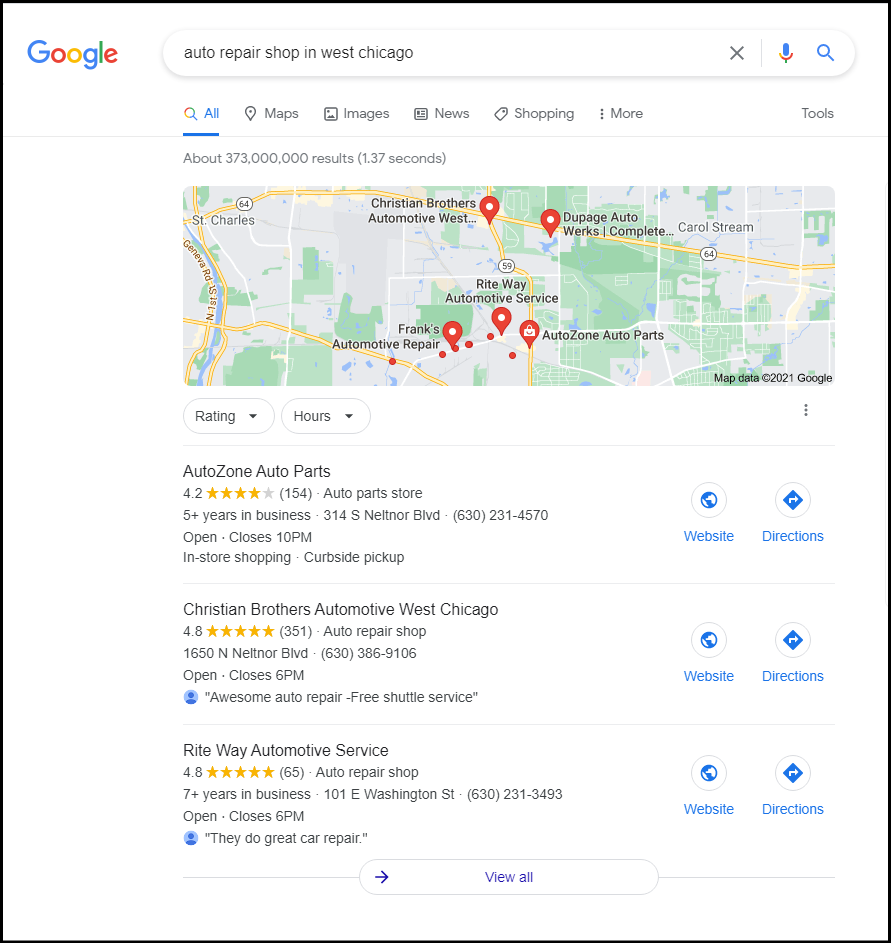
- Local SEO: Optimizing your Google Business Profile [blocked] and managing reviews to appear in "near me" searches and Google Maps.
- On-Page SEO: Creating fast, mobile-friendly websites with optimized service pages and clear calls-to-action.
- Content Marketing: Publishing helpful content that answers customer questions and builds trust.
- Technical SEO: Ensuring search engines can crawl your site and maintaining site health.
- Link Building: Earning backlinks from reputable sites to boost authority.
Most car buyers start their journey online. 99% of people use the internet to search for local businesses, and 81% use it to evaluate them. Whether searching for a "Honda dealership near me" or "brake repair in Santa Monica," customers begin on a search engine, usually on their phone.
In fact, over 60% of auto-related searches happen on mobile devices, and 76% of people who search for something nearby on their smartphone visit a related business within a day. Showing up in these searches is a massive opportunity; not showing up is a missed sale.
The challenge is that most auto shop owners and dealership managers are experts in cars and sales, not Google rankings. With technicians, inventory, and customer service to manage, learning SEO is often the last priority. However, your competitors are investing in SEO. Top-ranking shops aren't lucky; they're executing a strategy. Every day you're not visible online, potential customers are finding someone else.
This guide breaks down how SEO works for automotive businesses, covering the tactics that make or break your visibility—all in plain language.
I'm Daniel Harman, Founder and CEO of Auto Shop Digital. With over 15 years helping service businesses, including hundreds of auto shops, I've seen how the right SEO for automotive industry strategy transforms struggling shops into market leaders.
The Foundation: Mastering Local SEO for Automotive Businesses
Your customers are local. They're searching for "brake repair near me" or "used cars in Los Angeles" from their phones when they need help now. That's why local SEO [blocked] for automotive industry businesses is the foundation of your digital strategy.
Google prioritizes local results, especially on Google Maps, for automotive searches. The basics are critical. Your Name, Address, and Phone number (NAP) must be identical everywhere online—your website, Google, Yelp, etc. Inconsistencies hurt your rankings. To succeed, you need a complete local presence: an optimized Google Business Profile, genuine customer reviews, and content that speaks to the neighborhoods you serve.
Optimizing Your Google Business Profile (GBP)
Your Google Business Profile [blocked] is your most powerful free tool and digital storefront. For many customers, it's their first impression. Don't set it and forget it; your GBP should be an active part of your marketing.
- Business Category: Be specific. Choose "auto repair shop" or "car dealer" as your primary category, then add secondary ones like "tire shop" or "used car dealer."
- Service Area: Clearly define the neighborhoods and cities you serve, like Culver City or Los Angeles County. This helps Google show you to the right people.
- High-Quality Photos: Businesses with photos get 42% more requests for directions. Show off your service bays, team, and showroom. Real photos build trust.
- Google Posts: Share updates, promotions, or new inventory. Regular posts signal to Google that you're active.
- Q&A Feature: Answer customer questions promptly. You can also pre-populate this section with common questions like "Do you offer shuttle service?"
- Service Menu: List all your services (oil changes, brake repair) or departments (new car sales, financing). A complete profile is more likely to appear in relevant searches.
The Power of Customer Reviews and Reputation Management
42% of people regularly check online reviews, especially in the automotive world where trust is paramount. Reviews help you rank on Google and convince customers to call you. A competitor with 200 five-star reviews will get the call over a shop with a 3.2-star average.
Getting reviews is simple: Make it easy. Ask happy customers for a review at pickup and send a follow-up text or email with a direct link.
Respond to every review. Thank positive reviewers by name. For negative reviews, respond quickly and professionally. Acknowledge the issue, apologize, and offer to make it right. A thoughtful response can build more trust than ten good reviews. Our guide on managing negative reviews [blocked] offers more detail.
Showcase your best testimonials on your website and social media to maximize their impact.
Targeting Location-Specific Keywords
Searches like "transmission repair Long Beach" have high local intent, signaling a customer ready to book an appointment. You need to show up for these searches by weaving your city and neighborhood names into your website content, page titles, and Google Business Profile.
"Near me" searches have exploded. You don't need to add "near me" to your content; Google uses the searcher's location. Strong local signals—a complete GBP, consistent NAP, and local reviews—are what matter.
Get specific with city and neighborhood terms like "serving Santa Monica, Venice, and Marina del Rey." This creates more opportunities to appear in local searches.
The magic formula is combining service keywords with location keywords: "brake repair Santa Monica," "used Honda Civic Los Angeles," or "smog check Marina del Rey." For dealerships, this could be "used cars Los Angeles" or "new SUVs for sale Beverly Hills." Build content and service pages around these valuable phrases.
For more ideas, see our guide on 7 local auto repair marketing ideas [blocked]. Nailing local SEO makes you the obvious choice for customers in your area.
Building Your Digital Showroom: Website & On-Page SEO Essentials
Your website is your 24/7 digital showroom. It must do more than look good; it needs to load fast, work flawlessly on any device, and provide a great user experience (UX). For SEO for automotive industry businesses, this digital first impression is critical.
Over 60% of auto-related searches happen on mobile devices, meaning most customers are shopping from their phones. A slow or clunky mobile site will lose them instantly. Google's Page Experience signals [blocked] are a direct ranking factor, meaning a frustrating website actively hurts your search visibility. If your site is outdated, our article on why you need a modern website [blocked] explains what you're missing.
Creating a Logical Website Structure
A messy website structure is as frustrating as a disorganized dealership lot. A well-organized site helps both visitors and Google's search bots find what they need.
- User navigation should be intuitive, with clear menus and logical categories.
- A silo structure, which groups related content, helps search engines understand your expertise (e.g., all brake service content is linked together).
- Your homepage should direct visitors to key areas, like dedicated service pages("oil change Los Angeles") or organized inventory pages(new, used, CPO).
- If you have multiple locations, each needs a unique location page with local contact info and content.
- Internal linking connects related content, improving user experience and helping search engines understand your site's structure.
Why a Mobile-Friendly and Fast Website is Non-Negotiable
Mobile-first indexing means Google primarily uses the mobile version of your site for ranking. If your site isn't responsive and fast on mobile, you're losing customers and rankings. Test your site's speed with tools like Google's PageSpeed Insights [blocked] or WebPageTest.org [blocked]. Aim for a mobile score above 90. If your site is slow, check out our article on common website design mistakes [blocked] that kill your SEO.
Optimizing Service & Product Pages
Each service you offer (oil changes, tire rotations, diagnostics) and each product (new cars, used trucks, specific parts) needs its own dedicated, optimized page. These pages should:
- Target specific keywords: "oil change service Los Angeles" or "used Ford F-150 for sale Beverly Hills."
- Include clear calls-to-action (CTAs): "Schedule Service," "View Inventory," "Get a Quote."
- Feature high-quality images and videos: Show your shop, your team, and your inventory.
- Provide detailed descriptions: Explain the service, its benefits, and what customers can expect.
- Include customer testimonials: Build trust and social proof.
For dealerships, optimizing vehicle detail pages (VDPs) is crucial. Each VDP should have unique content, high-quality photos, and all relevant vehicle information. For more on this, read our guide on growing your auto dealership [blocked] with SEO.
Content Marketing: Fueling Your Automotive SEO Strategy
Content marketing is about creating valuable, relevant content that attracts and engages your target audience. For SEO for automotive industry businesses, this means answering customer questions, providing helpful information, and establishing your expertise.
Blog Posts & Articles
Regularly publishing blog posts on topics relevant to your audience positions you as an authority. Think about what your customers are searching for:
- "How often should I change my oil?"
- "Signs of bad brakes"
- "Best used cars under $15,000"
- "Electric vehicle maintenance tips"
Each blog post is an opportunity to target new keywords and drive organic traffic. Ensure your content is well-researched, easy to read, and includes internal links to your service pages or other relevant blog posts.
Video Marketing for Auto Shops
Video content is incredibly engaging and ranks well on Google. Consider creating:
- Service explanations: A quick video showing an oil change or tire rotation.
- Customer testimonials: Short clips of happy customers.
- Shop tours: Introduce your team and show off your facilities.
- Q&A videos: Answer common customer questions.
YouTube is the second-largest search engine, and videos can significantly boost your automotive marketing [blocked] efforts. Our article on how video marketing benefits auto shops [blocked] provides more insights.
FAQs and Guides
Create dedicated FAQ pages or comprehensive guides that answer common customer questions. This not only helps your customers but also provides valuable content for Google to crawl and rank. For example, a guide on "Understanding Your Car's Warning Lights" could attract a lot of organic traffic.
Technical SEO: The Engine Under the Hood
Technical SEO ensures your website is crawlable, indexable, and provides a good user experience. It's the foundation upon which all other SEO efforts are built.
Schema Markup for Automotive Businesses
Schema markup (structured data) helps search engines understand the content on your pages. For auto shops and dealerships, this is crucial for rich snippets in search results. Implement schema for:
- Local Business: Your name, address, phone, hours, and services.
- Product/Service: For specific services like "brake repair" or products like "used cars."
- Review/AggregateRating: To display star ratings in search results.
- Vehicle (for dealerships): Make, model, year, price, and other details.
This can significantly improve your click-through rates (CTR) by making your listings stand out.
XML Sitemaps & Robots.txt
- An XML sitemap is a list of all the important pages on your site that you want search engines to crawl. Submit it to Google Search Console.
- A robots.txt file tells search engines which pages they can and cannot crawl. Ensure it's not blocking important content.
Site Speed & Mobile Responsiveness
As mentioned earlier, site speed and mobile responsiveness are critical. Google uses these as ranking factors. Regularly audit your site for performance issues and ensure it provides a seamless experience across all devices.
Secure Your Site with HTTPS
HTTPS is a ranking factor and essential for user trust. If your site isn't secure, you'll see a "Not Secure" warning in browsers, which can deter visitors. Ensure your site has an SSL certificate installed.
Link Building: Building Authority and Trust
Backlinks (links from other websites to yours) are a strong signal to Google that your site is trustworthy and authoritative. The more high-quality, relevant backlinks you have, the higher your site will rank.
Local Citations & Directories
Ensure your business is listed in relevant local directories like Yelp, Yellow Pages, and industry-specific sites. Consistency in your NAP (Name, Address, Phone) across all these citations is vital for local SEO.
Industry Partnerships & Guest Blogging
Collaborate with complementary local businesses (e.g., car wash, auto insurance) for cross-promotion and backlinks. Offer to write guest posts for automotive blogs or local news sites, linking back to your website.
Press Mentions & PR
If your business is featured in local news or industry publications, ensure they link back to your site. This can be a powerful source of high-authority backlinks.
Advanced Strategies for Dealerships & Repair Shops
Beyond the basics, these advanced tactics can give you a competitive edge.
Voice Search Optimization
With the rise of virtual assistants, voice search is becoming more prevalent. People use natural language for voice queries (e.g., "Where's the nearest Honda dealership?"). Optimize your content for conversational keywords and long-tail phrases.
Google Discover Optimization
Google Discover is a personalized content feed. Optimize your content for Discover by creating high-quality, engaging articles and using compelling images. This can drive significant traffic.
AI in Automotive SEO
AI tools can help with keyword research, content generation, and SEO analysis. For example, using AI to identify content gaps or generate outlines for blog posts can save time and improve efficiency. Tools like Writesonic's SEO AI agent [blocked] can assist in this area.
Measuring Success: Key Performance Indicators (KPIs)
To know if your SEO efforts are paying off, you need to track the right metrics.
- Organic Traffic: The number of visitors coming from search engines. Use Google Analytics to track this.
- Keyword Rankings: Monitor your position for target keywords. Tools like SEMrush or Ahrefs can help.
- Local Pack Rankings: How often you appear in the Google Maps local pack.
- Conversions: Track calls, form submissions, and appointment bookings that originate from organic search.
- Website Engagement: Bounce rate, time on page, and pages per session indicate content quality.
Conclusion: Drive Your Business Forward with Automotive SEO
Mastering SEO for automotive industry businesses is no longer optional; it's essential for survival and growth. By focusing on local SEO, optimizing your website, creating valuable content, and building authority, you can attract more customers, drive more sales, and establish your business as a leader in your local market.
Ready to accelerate your online presence? Learn more about our Auto Repair SEO Service [blocked] and let us help you dominate the search results.