Key Takeaways
- Modern automotive website solutions in 2026 must be mobile-first, SEO focused, and tightly integrated with inventory management, CRM, and booking tools to meet user expectations.
- Different automotive businesses require different feature sets: franchise dealers need OEM compliance and incentive displays, while repair shops prioritize online booking and service menus.
- The quickest wins come from improving site speed, local SEO, and conversion tools like online booking, trade-in valuations, and financing tools.
- Dealers and auto shops can choose between turnkey platforms, semi-custom builds, or fully custom development, each with distinct pros, cons, and cost ranges from low four figures to high five figures.
- Selecting the right partner requires evaluating automotive industry experience, integration capabilities, transparent pricing, and proven lead generation results.
Introduction: Why Automotive Website Solutions Matter in 2026
By 2026, over 80 percent of car buyers and service customers begin their buying journey online. This shift accelerated dramatically after 2020, when remote test drive bookings, virtual consultations, and digital retailing became standard practice rather than novelty features. Your website is no longer a digital brochure. It is your primary sales floor and service counter.
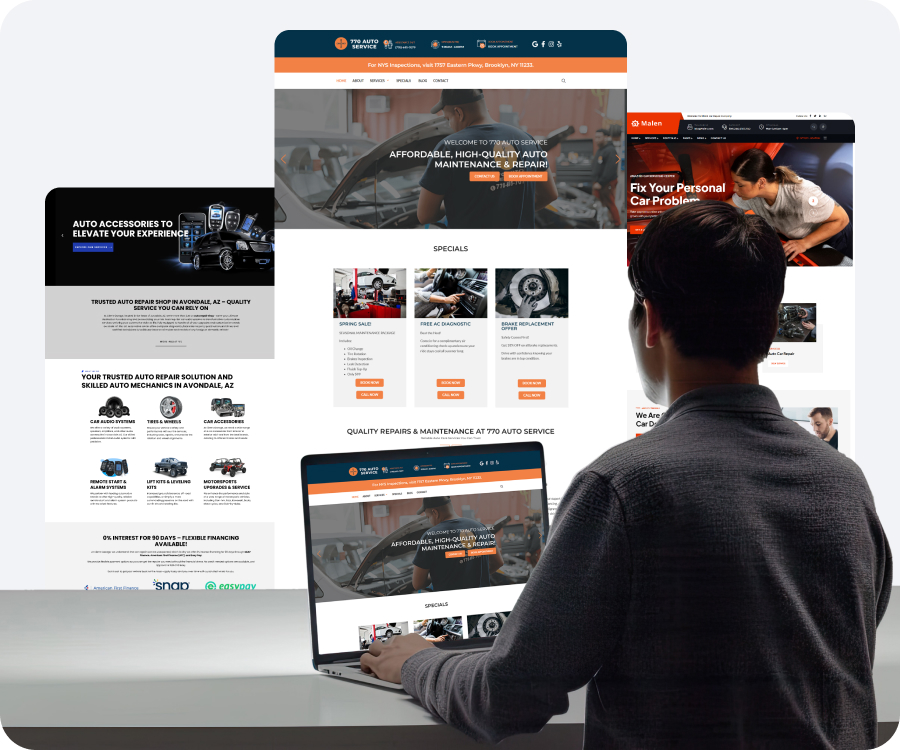
Automotive website solutions encompass design, web development, hosting, integrations, and ongoing digital marketing for car dealerships, independent auto shops, tire retailers, and aftermarket brands. These solutions connect your inventory, service scheduling, and customer engagement tools into a unified platform that converts website visitors into qualified leads.
This guide provides practical guidance for owners, GMs, and marketing managers choosing or improving a website platform in 2026. Whether you operate a single-location transmission shop or manage a multi-rooftop dealer group, the principles here will help you build a great website that drives more business.
What Are Automotive Website Solutions?
Automotive website solutions combine a content management system, design templates or custom layouts, integrations with DMS and CRM systems, and marketing services tailored specifically to automotive use cases. Unlike generic small business builders, these platforms understand the unique requirements of selling vehicles and offering services to car shoppers.
The main audience types include franchise dealers requiring OEM compliance, independent used car dealers needing robust inventory presentation, auto repair and maintenance shops focused on appointment scheduling, collision centers processing estimate requests, and tire shop retailers managing parts catalogs with fitment tools.
Industry-Specific vs. Generic Platforms: General website builders lack native VIN decoding, real-time inventory feeds, appointment schedulers integrated with shop management platforms, and OEM branding compliance. Automotive solutions address these gaps directly, reducing manual work and improving customer experience from the first click.
Core Components Of A Modern Automotive Website
Responsive Design: Your site must render flawlessly across mobile devices, tablets, and desktops. A responsive design ensures potential customers can browse inventory, book appointments, or request quotes regardless of how they access your site.
Fast Hosting and Security: Speed matters. Slow sites lose visitors. SSL security builds trust and satisfies search engine requirements. Aim for sub-3-second load times on 4G networks to meet Google's Core Web Vitals standards updated in 2025.
SEO-Friendly Structure: Clean URLs, proper heading hierarchies, schema markup for auto dealers and auto repair entities, and editable meta tags form the foundation for search visibility. Read our guide to SEO for auto shops [blocked] for a deeper dive into the technical fundamentals.
ADA-Conscious Accessibility: Ensure your site accommodates users with disabilities through proper contrast ratios, alt text on high quality images, and keyboard navigation support.
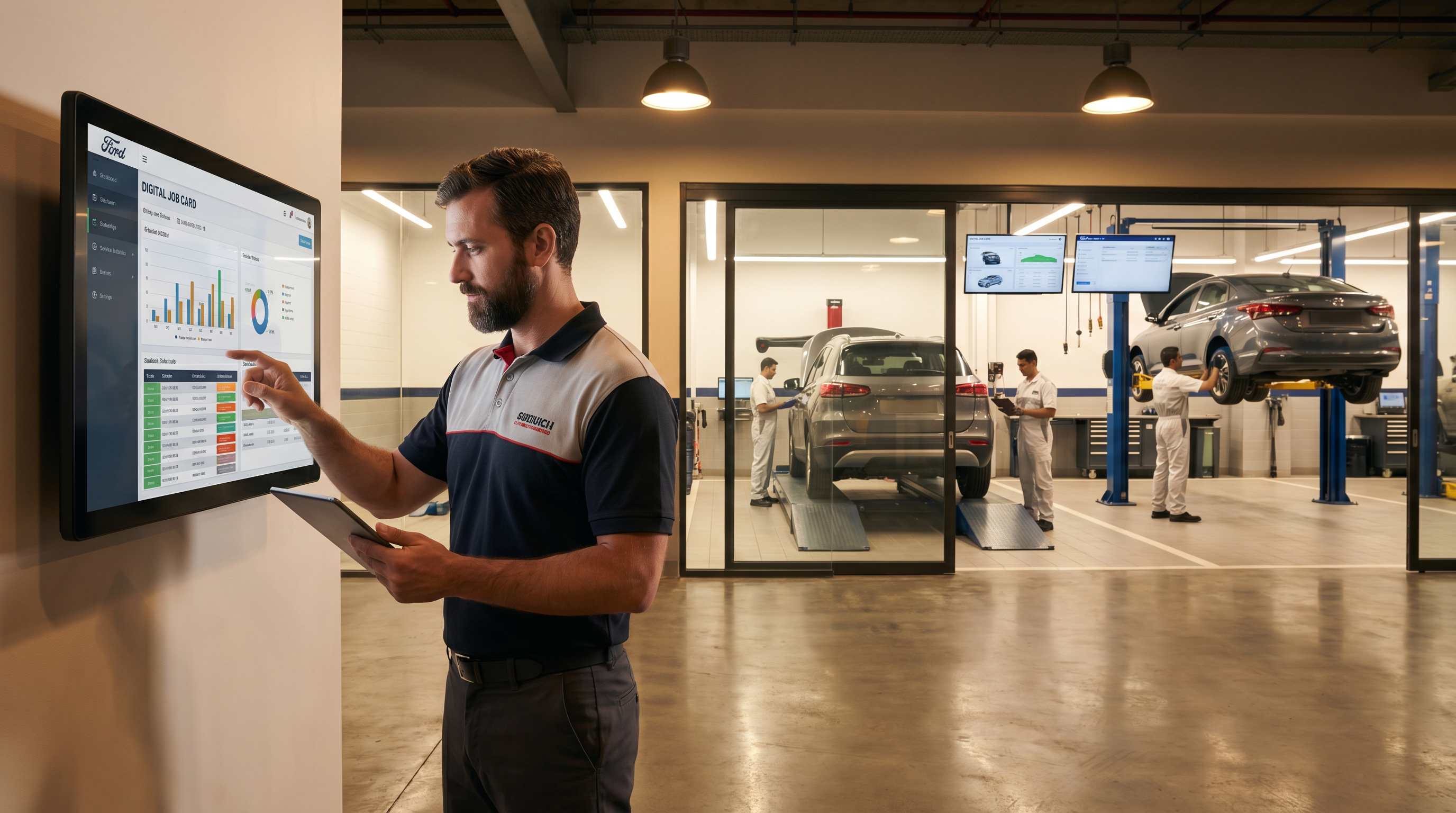
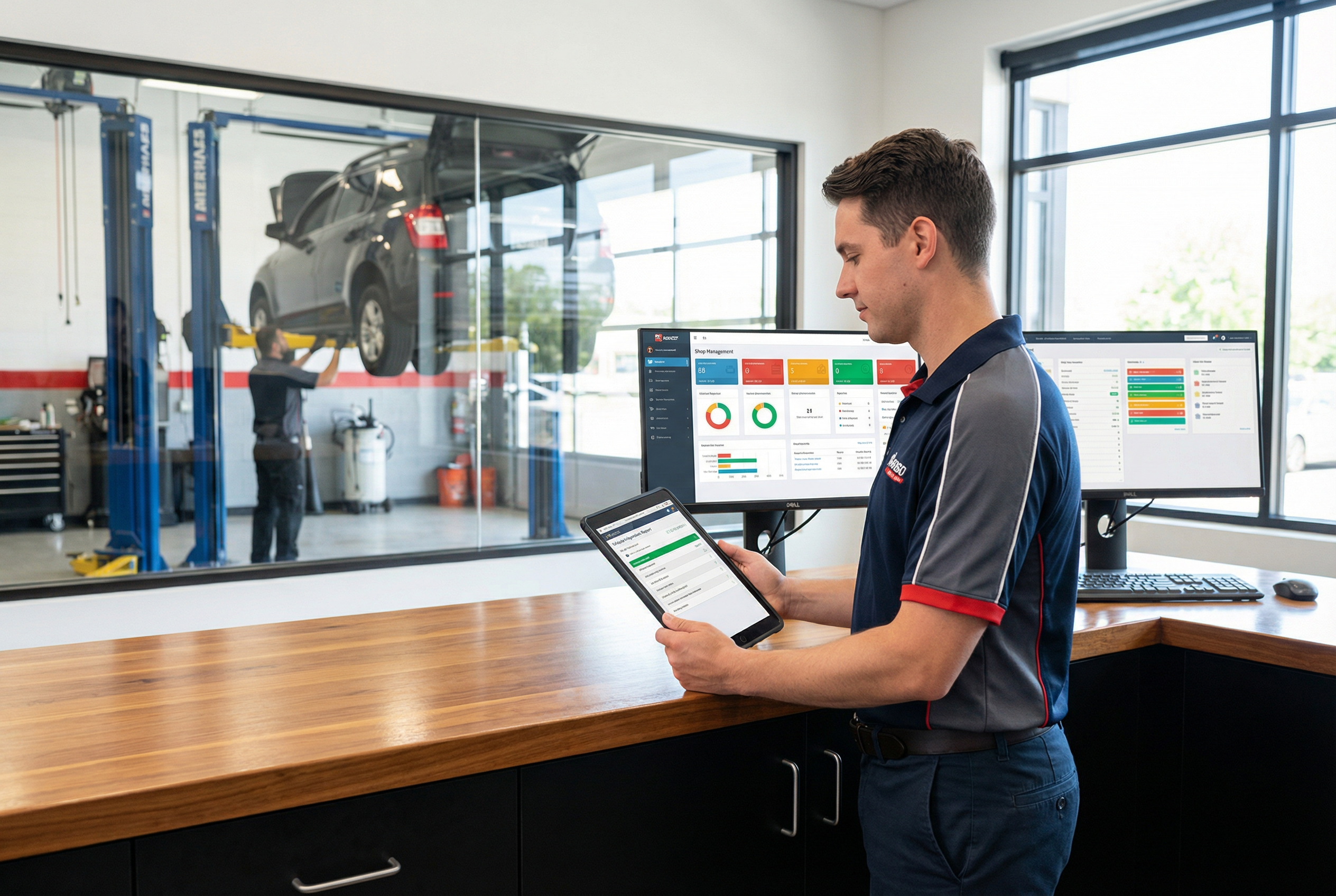
Back-Office Components: A user-friendly CMS with staff access control, analytics dashboards tracking website conversions, and lead routing to CRM or email systems keeps operations running smoothly.
Types Of Automotive Businesses These Solutions Serve
Franchise New-Car Dealers require OEM-compliant branding, dynamic displays of manufacturer incentives, lease and finance payment calculators, and multi-language support. These dealerships must balance corporate guidelines with local marketing flexibility. Our car dealer SEO agency [blocked] guide covers how to maximise visibility for dealer sites specifically.
Independent Used Car Dealers prioritize attractive inventory presentation with filters for body style, price, mileage, and fuel type. Trade-in valuation tools and Carfax links build credibility with potential buyers skeptical of used car purchases.
Auto Repair and Maintenance Shops need online booking schedulers with service menus displaying price ranges for profitable services like brake repair, oil changes, and transmission work. By 2026, repair sites must also include EV-specific pages covering battery warranties and high-voltage technician certifications.
Collision Centers benefit from estimate request forms, parts catalogs with fitment tools, and photo upload capabilities for damage assessment.
Tire and Wheel Retailers deploy searchable part numbers, vehicle compatibility checkers, and e-commerce integrations to reduce phone calls and minimize returns.
Essential Features Of Effective Automotive Website Solutions
This section walks through the key features that move the needle most on website traffic, qualified leads, and booked jobs. Features are grouped into design, usability, marketing, and integration categories so you can create your own 2026 feature checklist.
Mobile-First, Fast, And User-Friendly Design
By early 2026, more than 70 percent of automotive website visits in North America come from smartphones. Mobile optimization is not optional. It is the foundation of every successful automotive web design project.
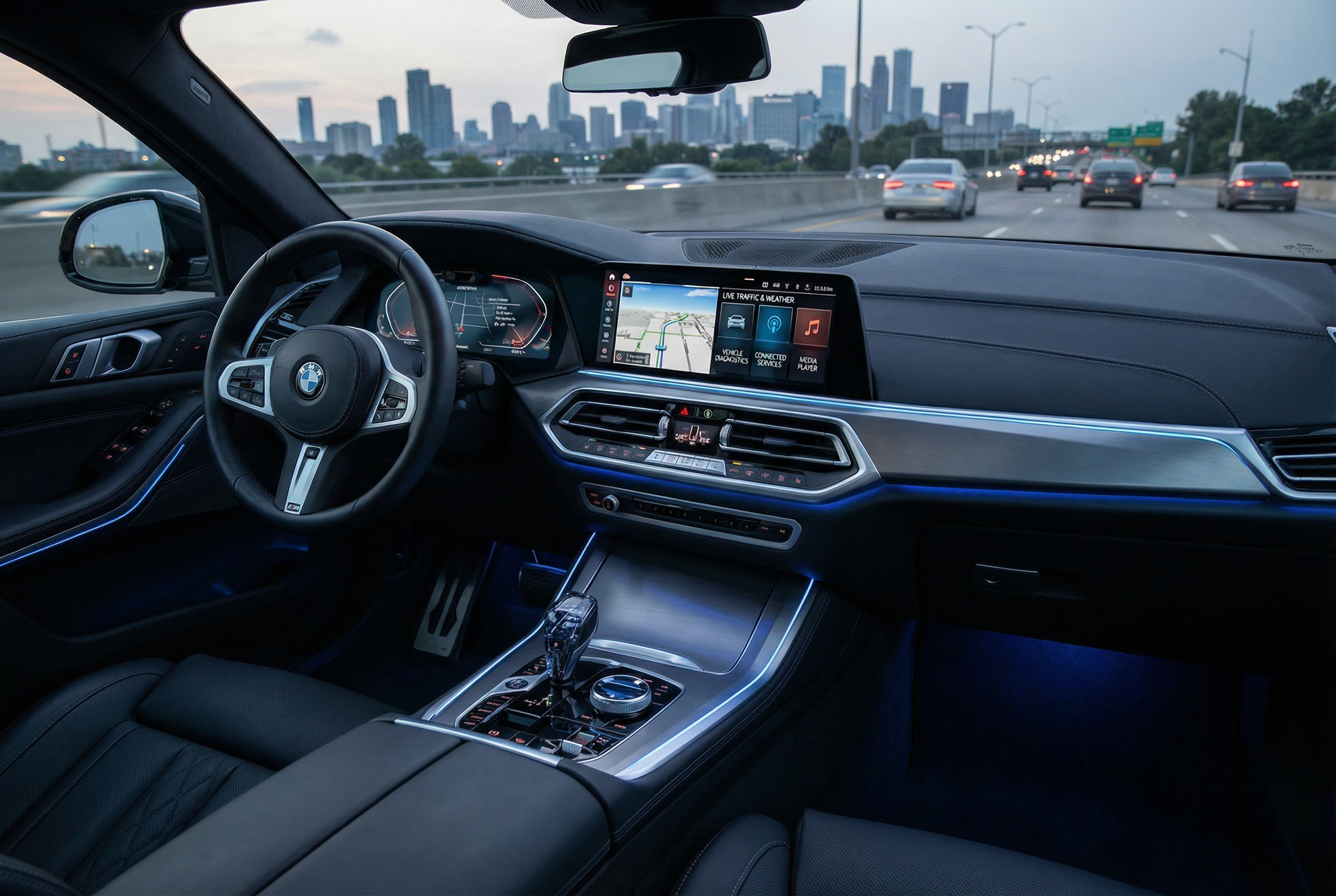
Mobile UX specifics include tap-friendly call buttons, sticky headers with phone and directions, easily scannable vehicle cards, and one-click access to service booking. Your mobile visitors should never pinch, zoom, or struggle to find contact information.
Performance targets matter. Aim for sub-3-second load times on 4G networks, compress all images, and minimize blocking scripts. Google's Core Web Vitals updated in 2025 penalize sites that frustrate users with slow, clunky experiences. Professional websites that meet these standards consistently outrank slower competitors in search results.
Inventory, Service, And Parts Presentation
Inventory pages in 2026 should feature VIN-decoded specs, payment estimates, Carfax or history links, high quality images, and filters for body style, price, mileage, and fuel type. This self-service approach reduces unnecessary phone calls while helping car buyers find exactly what they want.
Service and repair shops need structured menus with estimated price ranges and clear CTAs like "Book brake inspection for this week." Transparency on pricing builds trust and pre-qualifies leads.
Tire and parts retailers should implement vehicle fitment tools and searchable part numbers. Compatibility information reduces returns and support inquiries, turning visitors into loyal customers with confidence in their purchases.
Recommendation: Include short walkaround videos and 360-degree spins for hero vehicles. Clean layouts with clear pricing and prominent CTA buttons maximize website conversions.
Local SEO, Content, And Online Reputation
Every automotive website solution should support local SEO fundamentals: editable title tags, schema markup for auto dealer or auto repair entities, and location pages for multi-store groups. For a comprehensive breakdown of what this looks like in practice, read our guide to automotive local SEO [blocked].
Publishing localized high quality content drives organic traffic. Create pages targeting specific services and neighborhoods, such as "Hybrid battery repair in Phoenix" or "Used SUVs under 20k in Chicago." Update this content annually to maintain rankings as AI-driven search evolves.
Integrate Google Business Profile reviews directly into your website. Display testimonials prominently. By 2026, 80 percent of traffic stems from branded queries, meaning customers search for your business name specifically. Building brand authority through reviews and consistent content supports this shift. See our complete guide to Google Business Profile optimisation [blocked] to make the most of this free tool.
Example Queries to Target:
- "Oil change near me"
- "Used trucks under 15k in Dallas"
- "Transmission repair [your city]"
Lead Generation, Conversion Tools, And Analytics
Conversion tools turn visitors into leads. Implement short contact forms, instant trade-in valuation, test drive booking, repair appointment scheduling, and "check availability" buttons on every relevant page.
By 2026, many automotive sites use chatbots, live chat, and click-to-text features for mobile visitors who prefer messaging over phone calls. These interactive elements capture leads who might otherwise bounce without making contact.
Analytics Requirements:
- Track form submissions and online bookings
- Monitor phone calls originating from the site
- Measure chat interactions and response times
- Attribute leads to specific paid search campaigns and organic sources
Privacy matters. Include clear consent checkboxes in forms to comply with evolving data regulations in the US, Canada, and EU. Actionable insights from proper tracking help you optimize for more leads and more sales over time.
Integrations With DMS, CRM, And Third-Party Tools
Serious automotive website solutions in 2026 require stable integrations with dealer management systems, CRMs, inventory feeds, and marketing automation tools.
Example Workflows:
- Leads pass automatically into your CRM with source tagging
- Inventory syncs every 15 minutes from your DMS to prevent stale listings
- Service appointments flow directly into shop management software
Independent repair shops may not use a full DMS but still need connections to shop management platforms, online payment gateways, and appointment tools. The business benefits are clear: fewer manual tasks, better data accuracy, and faster responses to customers seeking personalized service.
Comparing Automotive Website Solution Models
Three main models exist: turnkey automotive website platforms, semi-custom builds on automotive-friendly CMS setups, and fully custom development for large groups or manufacturers. Your choice should reflect scale, internal tech skills, OEM rules, and appetite for unique features.
Turnkey Automotive Website Platforms
Turnkey platforms are subscription-based systems designed specifically for dealers or auto shops. They offer prebuilt templates, inventory modules, and support teams ready to launch your site.
Advantages:
- Quick launch, often within 4 to 8 weeks
- OEM-compliant designs meeting manufacturer standards
- Bundled hosting, security, and support
- Predictable monthly costs starting around $99 to $149
Limitations:
- Less design freedom and customization options
- Possible constraints on third-party plugins
- Potential for similar-looking sites among competing dealers — see our list of 10 common website design mistakes to avoid [blocked] to differentiate your shop
These platforms suit single-point dealers, small groups, and independent repair shops preferring predictable costs over large upfront investments. Platforms like Dealer Inspire and Cox Automotive offer solutions in this category.
Semi Custom Builds On Popular CMS Platforms
This approach uses widely adopted CMS options, then extends them with automotive-specific themes, plugins, and custom integrations.
Benefits:
- Greater design control and brand differentiation
- Broader plugin ecosystems for added functionality
- Easier ownership and portability of site assets
This route usually requires a knowledgeable agency or in-house web lead to manage updates, quality, and security. Ideal clients include mid-sized dealer groups, growing repair networks, and specialty brands wanting a unique visual identity. Budget ranges typically fall in mid-four to low-five figures for initial build.
Fully Custom Enterprise Solutions
Some OEMs, national chains, and large dealer groups commission bespoke digital platforms that integrate with legacy systems, loyalty programs, and mobile apps.
These projects start with discovery and UX workshops, run several months, and include complex integrations, role-based permissions, and multilanguage support. Higher initial investment and dependency on long-term partnerships are tradeoffs.
This option suits organizations when standard platforms cannot support required workflows, data structures, or brand requirements. Evaluate total cost of ownership carefully before committing to a fully custom path.
How To Plan And Implement An Automotive Website Project
Getting the foundation right saves cost and frustration later. This section provides a step-by-step overview for 2026 projects, from initial assessment through launch and optimization.
Defining Objectives, Budget, And Scope
Document concrete 2026 business goals: "Increase online service bookings by 25 percent" or "Grow used car leads from organic search by 40 percent." Measurable targets guide every decision.
Determine scope by listing locations, languages, vehicle feeds, content types, and integrations required at launch versus later phases. A single-location tire shop has different requirements than a multi-rooftop franchise group.
Set a total budget range covering design, build, content creation, photography, and at least 6 to 12 months of online marketing support for long term success.
Selecting The Right Automotive Website Partner
Evaluate partners based on proven automotive portfolios since at least 2020, understanding of both sales and fixed operations, and strong case studies demonstrating real world results.
Questions to Ask:
- What is your hosting uptime commitment?
- What are response times for support tickets?
- How often do you update your platform?
Alignment on communication style, reporting cadence, and account management matters as much as design services capabilities. Your partner should understand your target market and business goals. If you're looking for a professional website design service for auto shops [blocked], Auto Shop Digital builds conversion-focused sites tailored specifically to the automotive industry.
Content, Photography, And Media Preparation
Many 2026 projects are delayed because copy, vehicle photos, staff bios, and service descriptions are not ready on time. Plan content early.
Prepare city-specific landing pages, EV education articles, and frequently asked service pages for your most profitable services. Standardize how vehicles are photographed with consistent backgrounds, lighting, and framing.
Consider 360-degree spins and walkaround videos as powerful add-ons for higher-value vehicles that increase customer engagement and time on site.
Testing, Launch, And Post Launch Optimization
Testing Checklist:
- Verify inventory accuracy and real-time updates
- Test all form submissions and lead routing
- Check mobile usability across common devices
- Measure page load speeds against targets
A soft launch period where staff test the site for a week before drawing major ad traffic is common practice. Set up dashboards monitoring organic traffic, online bookings, foot traffic attribution, and cost per lead from Google Ads and other paid channels.
Continuous optimization through A/B testing of CTAs and ongoing SEO updates is essential. Launch is the starting line, not the finish. If your existing site is showing warning signs, read our guide on 7 signs you need to redesign your auto shop website [blocked] to help you decide when it's time to act.
Typical Timelines And Pricing For Automotive Website Solutions
Scope, complexity, and content readiness heavily impact both timelines and overall investment. The following provides realistic expectations for 2026 projects.
Project Durations For Different Complexity Levels
| Business Type | Typical Timeline |
|---|---|
| Single-location auto repair or tire shop | 4 to 6 weeks |
| Franchised dealership with inventory feeds | 8 to 12 weeks |
| Multi-rooftop dealer groups | 3 to 6 months |
Slow feedback cycles, late content, and extra integration requests are the most common reasons timelines extend beyond initial estimates.
Cost Factors And Budget Ranges
Main Cost Drivers:
- Design originality and number of page templates
- Amount of custom development work
- Integration count and complexity
- Content and media production requirements
| Solution Type | Indicative Range |
|---|---|
| Basic turnkey platform | Low four figures ($99–$200/month) |
| Semi-custom build | Mid-four to low-five figures |
| Enterprise custom | Higher five figures or more |
Ongoing monthly costs include hosting ($50–$200), support, software licenses, PPC management, and SEO retainers for continuous business growth. Evaluate total cost of ownership over 3 years, especially if you plan to scale or add locations.
How To Choose The Right Automotive Website Solution For Your Business
Match your business type, growth plans, and internal capabilities to a website solution style and feature set. An honest assessment of your situation leads to better decisions.
Single Location Auto Repair Or Tire Shop
Prioritize user-friendly platforms with strong local SEO tools, online booking, and reputation integrations. Present core services, pricing ranges, and location details clearly with easy call or book buttons on every page.
A modest build cost with ongoing budget focused on local SEO [blocked] and Google Ads delivers the best return. Look for simple dashboards where staff can update hours, specials, and blog posts without needing a developer to remain competitive.
Independent Used Car Dealer Or Small Franchise Store
Prioritize attractive inventory presentation, finance lead tools, and trade-in valuation workflows. Automotive-specific platforms or semi-custom builds supporting real-time DMS feeds work best.
Include social proof through reviews, testimonials, and warranty explanations to build trust with potential customers. Allocate budget for professional photos and occasional video walkarounds. Visuals often determine click-through rates and lead volume for car search queries.
Multi Rooftop Groups, OEM Programs, And National Brands
Aligning multiple locations, OEM brand standards, and shared inventory pools on a single digital platform adds complexity. Multi-site architectures with centralized governance and local customization for each store address these needs.
Require advanced analytics across rooftops, role-based access for regional teams, and consistent data standards. Consider custom or semi-custom enterprise solutions with clearly defined SLAs, roadmaps, and multi-year support contracts for new business growth.
FAQ: Automotive Website Solutions
Can I Use A Generic DIY Website Builder Instead Of An Automotive Platform?
Generic builders like Wix or Squarespace can work for very small, budget-constrained shops with basic galleries and SEO needs. However, they rarely offer built-in inventory tools, service menus, or DMS integrations that automotive businesses require.
Weigh initial savings against time spent adding features and the risk of poor performance in competitive 2026 local search markets. Even if starting on a generic builder, plan a migration path to an automotive-focused platform within 12 to 24 months as your business grows.
Who Owns My Website And Content If I Change Providers?
Clarify contract terms before signing. Understand ownership of design files, written content, photos, and custom code. Some turnkey platforms retain template ownership but allow export of text, images, and basic page structures.
Keep master copies of blog posts, photos, and videos in your own storage so they can be reused if you move to another solution later.
How Often Should I Redesign Or Refresh My Automotive Website?
Most automotive businesses benefit from a substantial design refresh every 3 to 5 years, with continuous small updates in between. Algorithm changes, EV adoption trends since 2022, and shifts in user satisfaction expectations mean sites older than 5 years often underperform by 2026.
Annual UX and SEO audits identify when performance drops enough to justify a more significant redesign investment. Our guide on 7 signs you need to redesign your auto shop website [blocked] can help you benchmark where your current site stands.
Do I Need Separate Websites For Different Locations Or Brands?
Multi-rooftop groups sometimes use a single umbrella site with location pages, while others maintain separate sites for each franchise brand or city. The right choice depends on OEM rules, brand positioning, and SEO strategy.
Consult with an automotive-experienced SEO specialist before deciding. Consolidation or fragmentation can materially affect local rankings and how potential buyers discover your business.
How Should My Website Address EVs And New Technologies?
Add EV-specific pages by 2026 explaining charging options, maintenance differences, battery warranties, and available models or services. Service shops should highlight EV-capable bays, high-voltage technician training, and ADAS calibration capabilities.
Update this content at least yearly as new regulations, incentives, and technologies emerge. Your site should remain a trusted resource for modern car shoppers exploring electric and hybrid options.
A great automotive website is the foundation of every other marketing effort. It is where paid ads land, where organic search converts, and where customers decide whether to call or click away. If you're ready to build or upgrade your site, get in touch with Auto Shop Digital [blocked] — our website design service [blocked] is built specifically for auto shops and dealerships that want more leads, not just a prettier page.